A great plate of tandoori chicken looks simple—bright marinade, smoky aroma, charred edges, juicy meat. But the dish only becomes exceptional when every step behind it is controlled with precision. In professional kitchens, consistency matters more than creativity.
The process begins with the marinade.
Yogurt, spices, salt, and acidity must be balanced carefully so the chicken absorbs flavor without becoming overpowering. The marinade isn’t guessed; it’s measured. Ratios remain consistent across batches so every piece cooks and tastes the same.
Next comes marination time. Too short and the spices stay on the surface. Too long and the texture changes. Restaurants maintain defined windows that allow the flavors to penetrate the meat while preserving its structure.
Then the grill takes over.
Tandoori chicken depends heavily on controlled heat. The charcoal temperature must stay stable so the outside develops a slight char while the inside remains tender and juicy. Uneven heat creates dry patches or undercooked centers—something professional kitchens actively prevent by managing fuel placement and airflow.
Timing also plays a major role. The chicken is turned at specific intervals to ensure even cooking and proper caramelization. Once it leaves the grill, it rests briefly so the juices redistribute before serving.
What arrives at the table might look effortless, but the reality is far from it. Behind every perfect tandoori chicken is a repeatable system: measured ingredients, controlled heat, disciplined timing, and trained execution.
Because in great kitchens, a dish isn’t just cooked—it’s engineered to deliver the same flavor every single time.





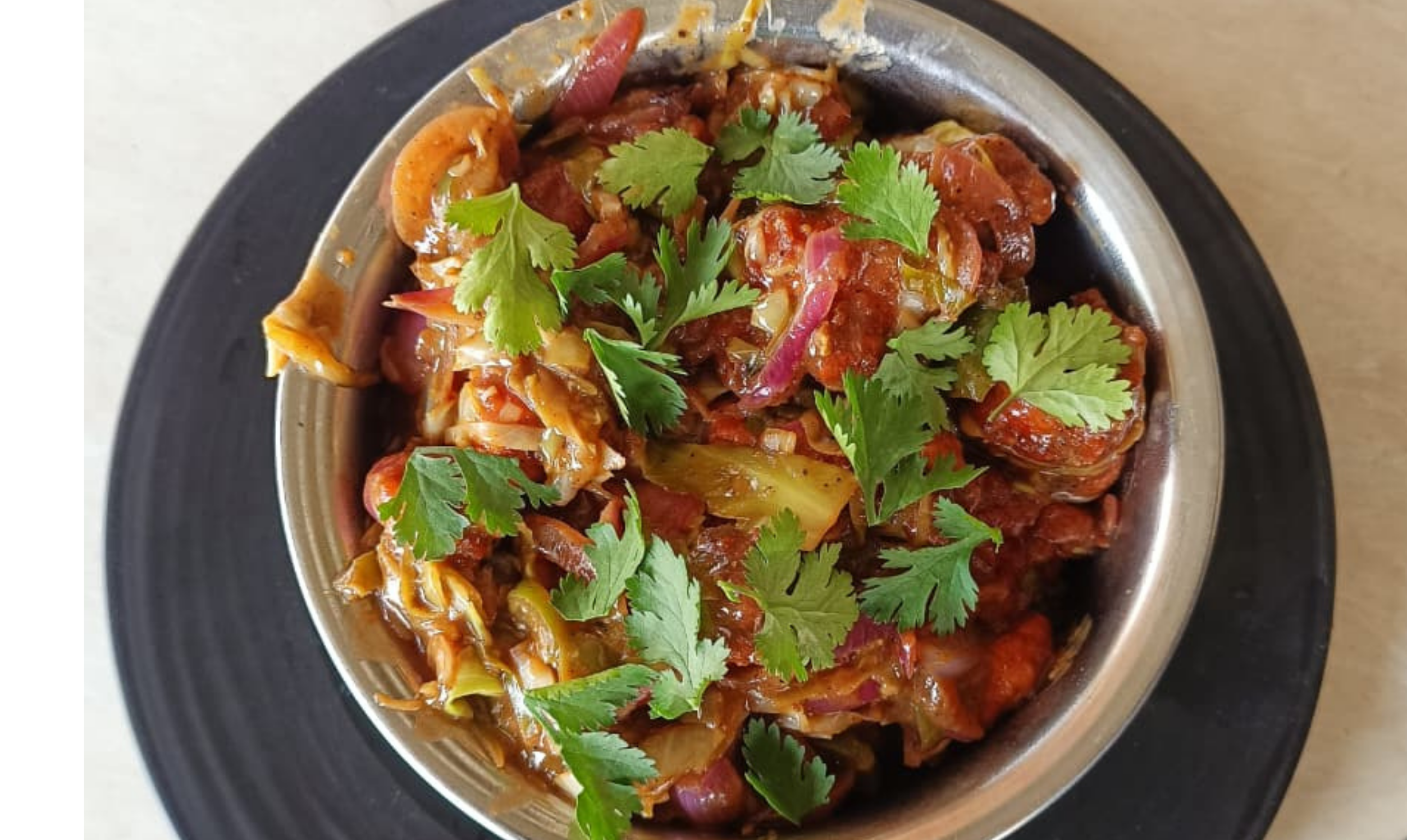
Fresh herbs are very important ingredient!